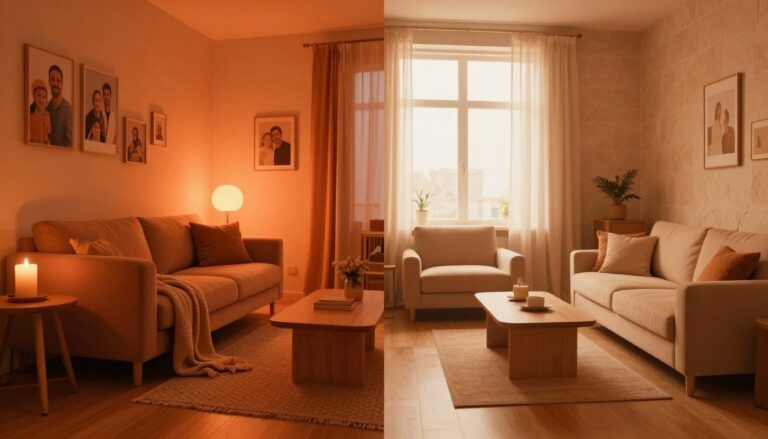

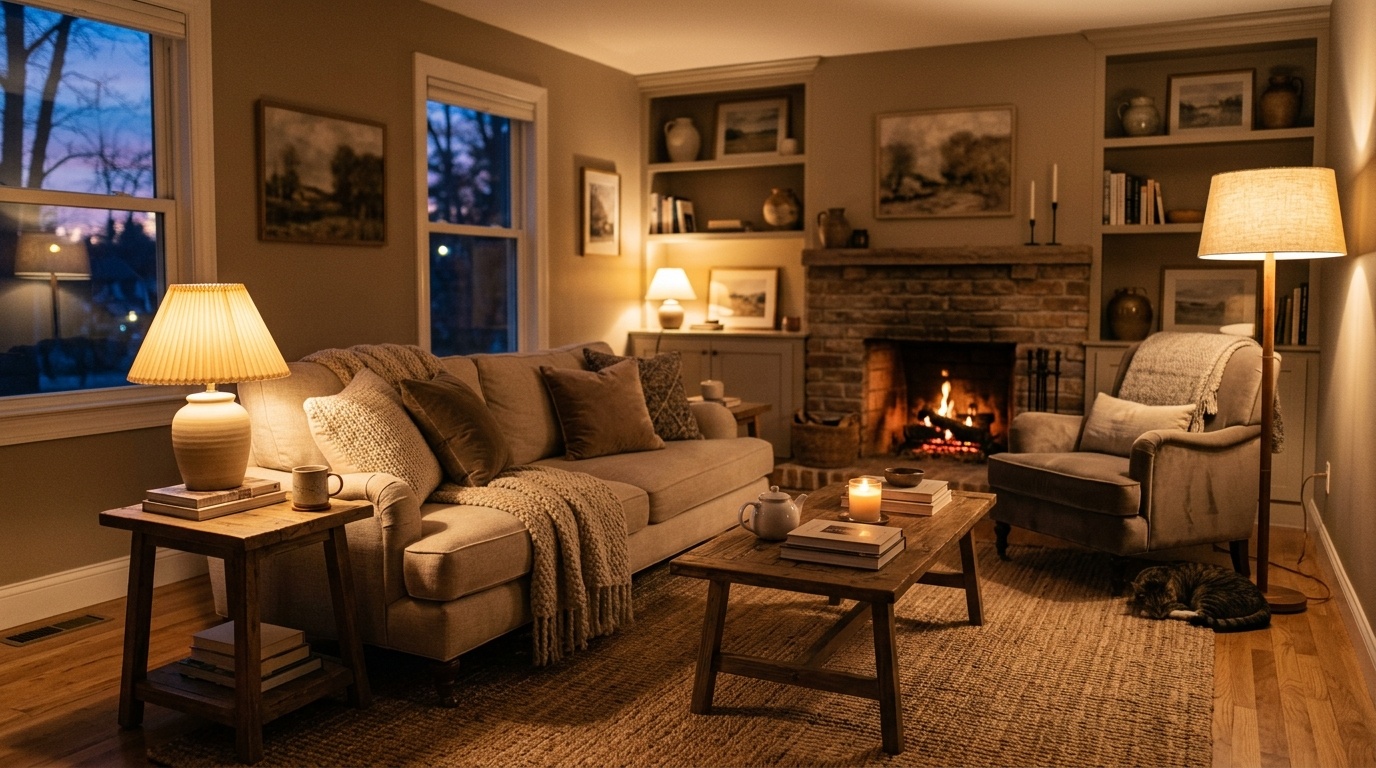
A room can have beautiful furniture, soft blankets, and all the right colors, yet still feel a little cold after dark.
The culprit is often the light bulb.
A harsh, blue-white bulb can make a cozy room feel more like a waiting room. The right bulb creates a soft glow that makes your sofa, bedding, wood furniture, and favorite corners feel warmer.
The good news is that you do not need to become a lighting expert. You only need to understand a few details before you buy.
Quick Answer
For most cozy living rooms, bedrooms, and hallways, choose a dimmable LED bulb in soft white or warm white, around 2700K. Look for about 800 lumens for a standard table lamp or ceiling fixture. Choose a bulb shape that fits your lamp or fixture, and always check whether your dimmer switch is LED-compatible.
If you want a deeper, candlelike glow in a bedroom or reading nook, try an amber bulb between 1800K and 2200K.
Start With the Color Temperature
The first number to look for on a bulb package is the Kelvin rating, shown as K.
Kelvin tells you how warm or cool the light will look. It does not tell you how bright the bulb is.
For a cozy home, this number matters a lot.
| Bulb Color | Kelvin Range | How It Feels | Best For |
|---|---|---|---|
| Amber or candlelight | 1800K to 2200K | Deep, golden, and very soft | Bedrooms, reading nooks, and decorative lamps |
| Warm white or soft white | 2700K to 3000K | Warm, inviting, and useful | Living rooms, bedrooms, dining rooms, and hallways |
| Neutral white | 3500K to 4000K | Clearer and less yellow | Kitchens, bathrooms, and work areas |
| Daylight | 5000K and higher | Bright, cool, and blue-white | Detailed tasks, garages, and workshops |
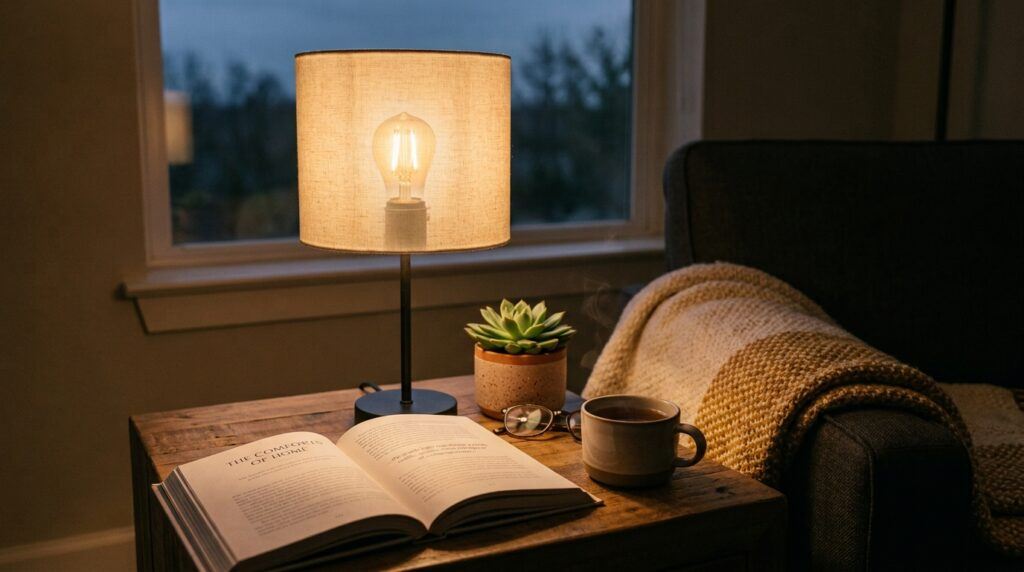
For most rooms where you relax, I would start with 2700K. It gives you that warm, familiar glow without making the room too dim to use.
A 3000K bulb can also work well if you like a slightly cleaner look or need more useful reading light. Once you move into 4000K or 5000K bulbs, the room usually starts to feel less restful at night.
If you are building a full lighting plan, my guide to creating a warm ambiance with lighting explains how bulbs, lamps, shades, and light placement all work together.
Choose Brightness by Lumens, Not Watts
For years, people chose bulbs by watts. A 40-watt bulb was dim. A 60-watt bulb was normal. A 100-watt bulb was bright.
LED bulbs changed that.
Watts now tell you how much energy a bulb uses. Lumens tell you how bright it is. That is the number you want to compare.
Here is a simple guide.
| Lumens | Rough Old-Style Equivalent | Best Use |
|---|---|---|
| 450 lumens | 40-watt bulb | Small table lamps, accent lamps, and nightstands |
| 800 lumens | 60-watt bulb | Most living room and bedroom lamps |
| 1,100 lumens | 75-watt bulb | Larger lamps, brighter rooms, and main fixtures |
| 1,600 lumens | 100-watt bulb | Large rooms, bright task lighting, and high ceilings |
For a typical table lamp next to a sofa or bed, an 800-lumen bulb is usually the sweet spot. It gives you enough light to read or relax without turning the lamp into a tiny sun.
For a small accent lamp, 450 lumens often feels better. In a larger living room, you may want several 800-lumen bulbs in different lamps instead of one very bright bulb in the center of the room.
That is one of the easiest ways to make a room feel cozier. Build small pools of light instead of blasting every corner with one ceiling fixture.
Pick a Bulb Shape That Fits the Fixture
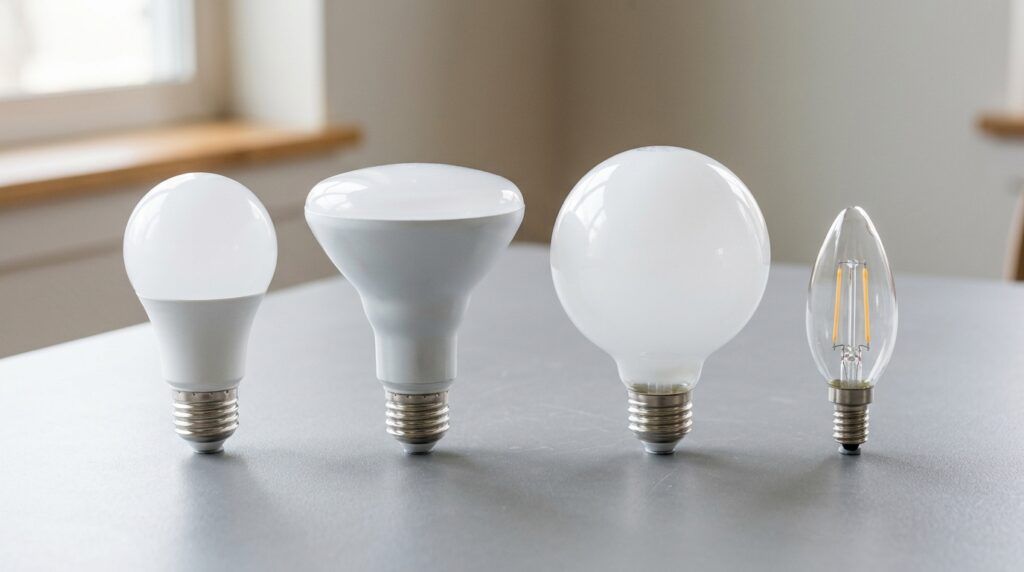
Bulbs are not all shaped the same. The wrong shape may not fit inside the shade, recessed can, or decorative fixture. Here are the most common options.
A19 Bulbs
A19 bulbs are the standard pear-shaped bulbs most people picture first. They fit many table lamps, floor lamps, and ceiling fixtures.
Choose an A19 bulb for:- Table lamps
- Floor lamps
- Bedside lamps
- Open ceiling fixtures
- Most basic lamps around the home
For cozy rooms, a dimmable A19 LED bulb in 2700K is a safe and useful starting point.
BR30 or BR40 Bulbs
These are wide, rounded bulbs designed for recessed lighting and broad ceiling fixtures.
Choose BR30 or BR40 bulbs for:- Recessed ceiling lights
- Can lights
- Wide flood fixtures
- Some track lighting
Use warm white versions in living rooms and bedrooms. If your recessed lights are bright but cold, swapping the bulbs may change the room more than you expect.
Globe Bulbs
Globe bulbs are round and decorative. They are often used in exposed fixtures, bathroom vanities, and open pendant lights.
Choose globe bulbs for:- Vanity fixtures
- Decorative lamps
- Open pendants
- Exposed-bulb chandeliers
A frosted globe bulb can soften glare. A clear globe bulb may look beautiful, but it can feel harsh if you can see the bright filament from where you sit.
Candle Bulbs
Candle bulbs have a narrow, pointed shape. They are common in chandeliers, wall sconces, and decorative fixtures.
Choose candle bulbs for:- Chandeliers
- Wall sconces
- Small decorative lamps
- Bedroom fixtures
Look for dimmable LED candle bulbs in warm white if you want a softer look without the heat and shorter life of old incandescent bulbs.
Should You Buy Dimmable Bulbs?
In most cozy rooms, yes.
A dimmable bulb lets you use brighter light when you need it, then lower the brightness when you want to wind down. That is useful in living rooms, bedrooms, dining rooms, and anywhere you spend time in the evening.
Before you buy, check two things:
- The bulb must say dimmable on the package.
- Your wall dimmer must be compatible with LED bulbs.
An older dimmer switch can cause flickering, buzzing, or a bulb that will not dim very low. If that happens, the bulb may be fine. The switch may simply need to be replaced with an LED-compatible dimmer.
For lamps, an easy alternative is a dimmable bulb paired with a lamp dimmer plug or a smart bulb.
Are Smart Bulbs Worth It for a Cozy Home?
Smart bulbs are not a must, but they can be useful if you enjoy changing the mood of a room without getting up.
A smart bulb can let you:
- Dim lights from your phone
- Set an evening lighting schedule
- Create a “movie night” or “wind down” scene
- Change warmth on some adjustable-color models
- Turn on lamps before you arrive home
For a simple cozy setup, you do not need every bulb in the house to be smart. Start with one or two lamps you use most often.
If you prefer simple over high-tech, a regular dimmable 2700K bulb is still an excellent choice.
My Amazon Pick for Everyday Cozy Lighting
For a simple, dependable starting point, I would choose the Philips LED A19 Dimmable Soft White bulbs.
They are 2700K soft white bulbs with an E26 base, which fits most standard lamps and fixtures. The 800-lumen output is similar to a traditional 60-watt bulb, making them useful for bedside lamps, living room lamps, and many ceiling fixtures.
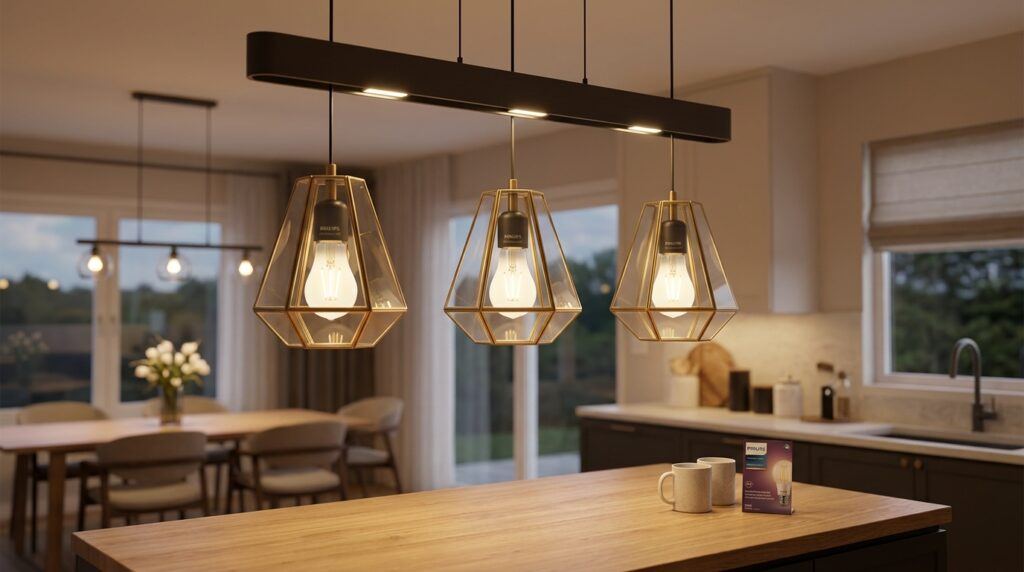
View the Philips LED A19 Dimmable Soft White bulbs on Amazon
This is the kind of bulb I would use when a room feels a little too sharp or sterile at night. It will not solve every lighting problem on its own, but it gives you a warm, flexible base to build from.
As an Amazon Associate, I earn from qualifying purchases.
A Simple Bulb Plan for Each Room
You do not need to use the same bulb in every space. Let the room’s purpose guide your choice.
Living room
Use 2700K dimmable bulbs, usually around 800 lumens, in floor lamps and table lamps.
Add a lower-lumen accent lamp near a shelf, plant, or bookcase if the room still has a dark corner. For more ideas beyond bulbs, see how to make a living room cozy without a fireplace.
Bedroom
Use 2700K bulbs in bedside lamps. If you want a deeper evening mood, use a lower-lumen amber bulb in a small accent lamp.
Keep brighter light available for reading, getting dressed, and finding your way around. Cozy should not mean bumping into the bed frame at midnight.
For more bedroom inspiration, take a look at these cozy autumn bedroom lighting ideas.
Dining room
Use 2700K dimmable bulbs in your pendant or chandelier. This lets you keep enough light for meals while making dinner feel calmer after the sun goes down.
Clear bulbs can work in an enclosed or shaded fixture. If the bulbs are exposed, frosted bulbs may be more comfortable for the eyes.
Small rooms
A small room does not need stronger bulbs as much as it needs better-placed light.
Try 2700K bulbs in compact lamps, wall sconces, or small fixtures. Then use a mirror or pale wall to reflect some of that light into darker areas.
If space is tight, read my guide on how to light up a small space without clutter.
Do Not Forget the Lamp Shade
Even the best bulb can feel harsh under the wrong shade.
A white, cream, linen, or frosted glass shade helps spread light gently. A dark or heavily lined shade can make the room feel moodier, but it may also block more useful light than you expect.
If you can see the bare bulb from your favorite seat, you may need a different shade, a frosted bulb, or a lamp placed slightly farther away.
The goal is not to light every inch of the room. It is to create a glow that feels comfortable to live with.
Let Your Home Glow
Choosing the right bulbs for cozy lighting does not need to be complicated.
Start with a dimmable LED bulb in soft white, around 2700K. Choose about 800 lumens for most table and floor lamps. Then use the bulb shape that fits your fixture.
From there, notice how the room feels after dark.
You may find that replacing a few cool white bulbs makes your favorite room feel warmer before you buy a single new piece of decor. Pair that softer lighting with natural elements that add warmth, a good throw, and a few personal details, and the room will start to feel more like home.
FAQs
What color light bulb is best for cozy lighting?
Warm white or soft white bulbs around 2700K are usually best for cozy lighting. They create a warm, inviting glow that works well in bedrooms, living rooms, hallways, and dining rooms.
Are 2700K bulbs too yellow?
Not usually. Most people find 2700K comfortable and familiar, especially at night. If you prefer a slightly clearer white light, choose 3000K instead.
How bright should a cozy lamp be?
A bulb around 450 lumens works well for accent lamps and small bedside lamps. An 800-lumen bulb is a good choice for most standard table and floor lamps.
Do LED bulbs make a room feel less cozy?
No. Modern LED bulbs come in warm white and amber tones that can feel very cozy. The key is choosing the right color temperature instead of buying the brightest or coolest bulb available.
What light bulbs should I avoid in a bedroom?
Avoid using very cool bulbs, usually 5000K or higher, as your main evening light. They can feel harsh and may make the room seem more alert than restful.