

Cozy Space Place started in a rented living room that was too small for the furniture already in it, with a security deposit that made painting the walls feel like a legal risk and a budget that covered groceries before it covered throw pillows. That room is where the idea for this site came from, and it’s still the standard everything here gets measured against.
A Rental Living Room That Started All of This
The room was narrow, the kind where a sofa and a coffee table left about a foot of walking space on either side. Nothing in it matched. A secondhand armchair sat next to a lamp that had clearly lived in someone else’s house first, and the overhead light made the whole room look like a waiting room at an auto shop. Fixing it happened in pieces, over time, because that was the only way the budget allowed. A better bulb one month. A rug the next. A pillow cover that finally stopped clashing with everything else. None of it happened at once, and none of it required a renovation budget or a landlord’s permission.
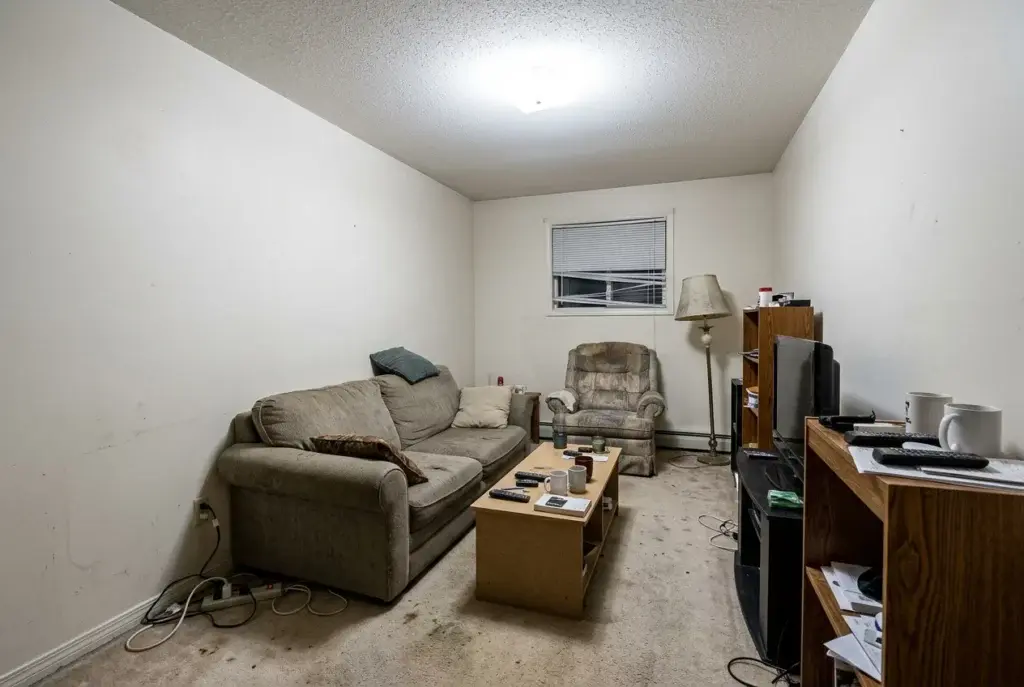
What made the room work wasn’t any single purchase. It was that every change got tested the same way: did it make the room better to actually sit in, not just better to look at for ten seconds. That question became the whole approach.
What Budget Cozy Actually Means Here
Budget cozy doesn’t mean cheap-looking. It means spending on the things that change how a room feels to use and skipping the things that only change how it photographs. A warm bulb costs very little and changes an entire room after dark. A decorative object that photographs well but adds nothing to comfort is money spent on an audience that isn’t there.
This site assumes a real budget, a rental more often than not, and furniture you probably can’t replace all at once. Advice that only works with an unlimited budget or a house you own outright doesn’t belong here, because it doesn’t match how most people are actually furnishing a living room.
Styled for a Photo Versus Built for a Tuesday Night
A room styled for a photo gets arranged once, shot from one angle, and left alone. Nobody spills coffee on it because nobody sits in it long enough to spill anything. A room built for a Tuesday night has a blanket that’s been pulled off the back of the sofa and left in a pile. It has a coffee cup on the side table and a dog who has clearly decided which cushion is his.

Both rooms can be beautiful. Only one of them is a home. I’d rather recommend a sectional that holds up to a dog jumping on it with wet paws than a sofa so delicate it requires a house rule.
How I Decide What to Recommend
Before anything gets recommended here, it goes through a few practical questions. Does it hold up to daily use, not just a weekend? Is there a cheaper version that does nearly the same job? Does it solve an actual problem in a living room, or does it just look good in a listing photo? If a product only works in a styled photograph and falls apart under normal use, it doesn’t get written about, no matter how popular it is.
This also means skipping trends that don’t hold up to scrutiny. Some decorating habits exist mainly to be photographed, not lived with, and I’ll say so when that’s the case.
What You’ll Find Room by Room
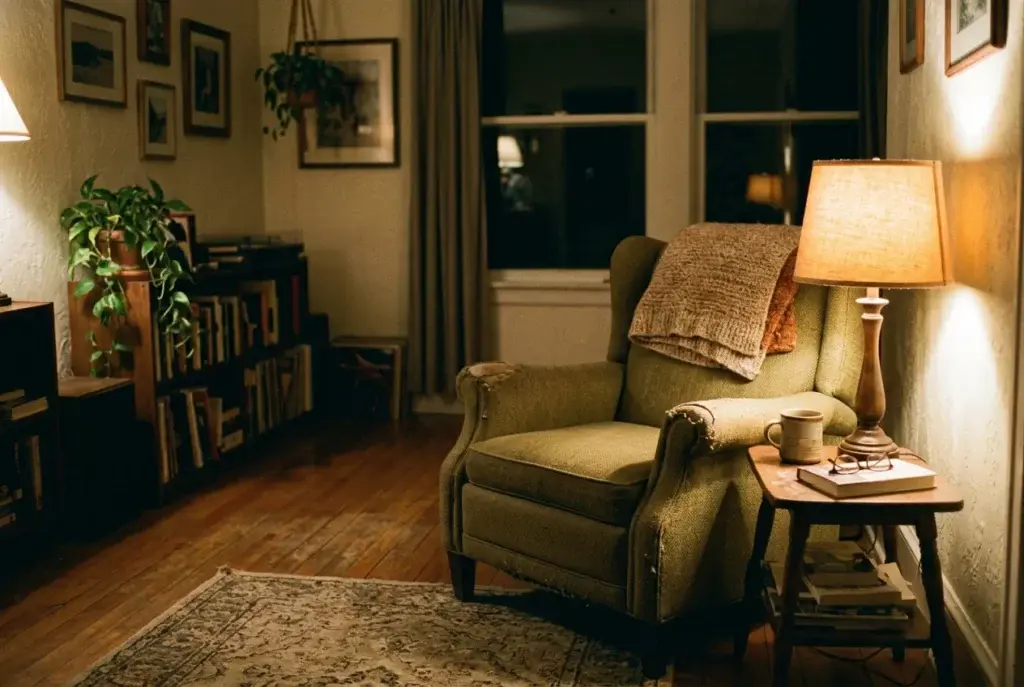
Most of the site focuses on living rooms, since that’s where budget cozy makeovers matter most and where small changes tend to show the most. You’ll also find guidance on lighting, which does more to change a room’s mood than almost anything else, along with seasonal ideas for bedrooms and other spaces. Everything is written with the same assumption: a modest budget, a room that gets used daily, and furniture that has to survive real life rather than a single afternoon of staging.
Where to Start if You’re New Here
If you want to see this philosophy applied to an actual room rather than explained in the abstract, start with A Room You Can Actually Live In. It walks through the same question this whole site is built around: whether a room invites people to sit down or just asks them not to touch anything.