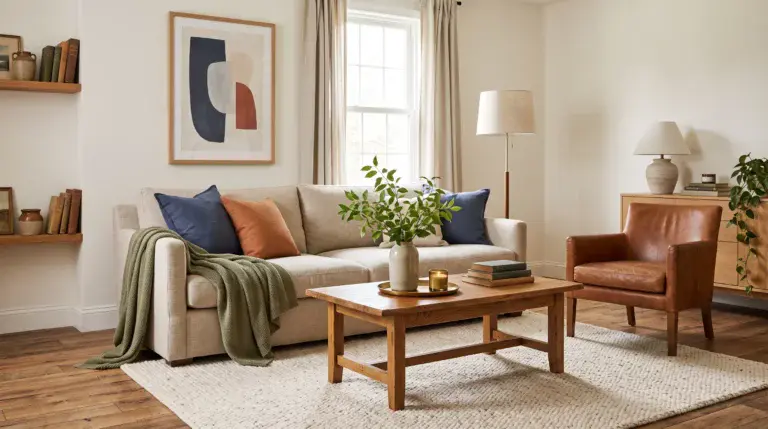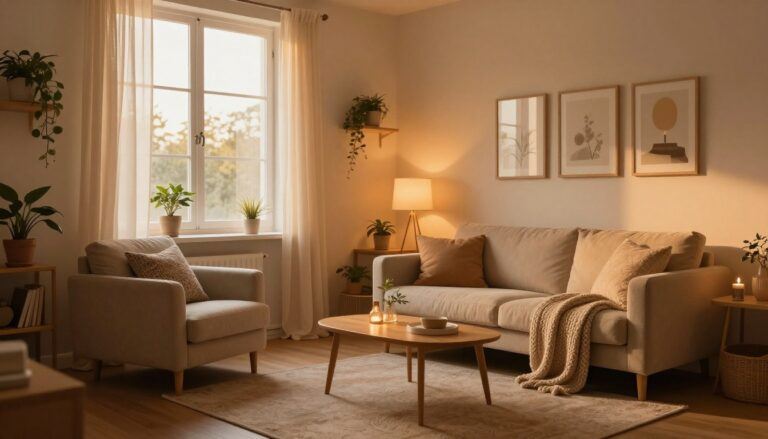

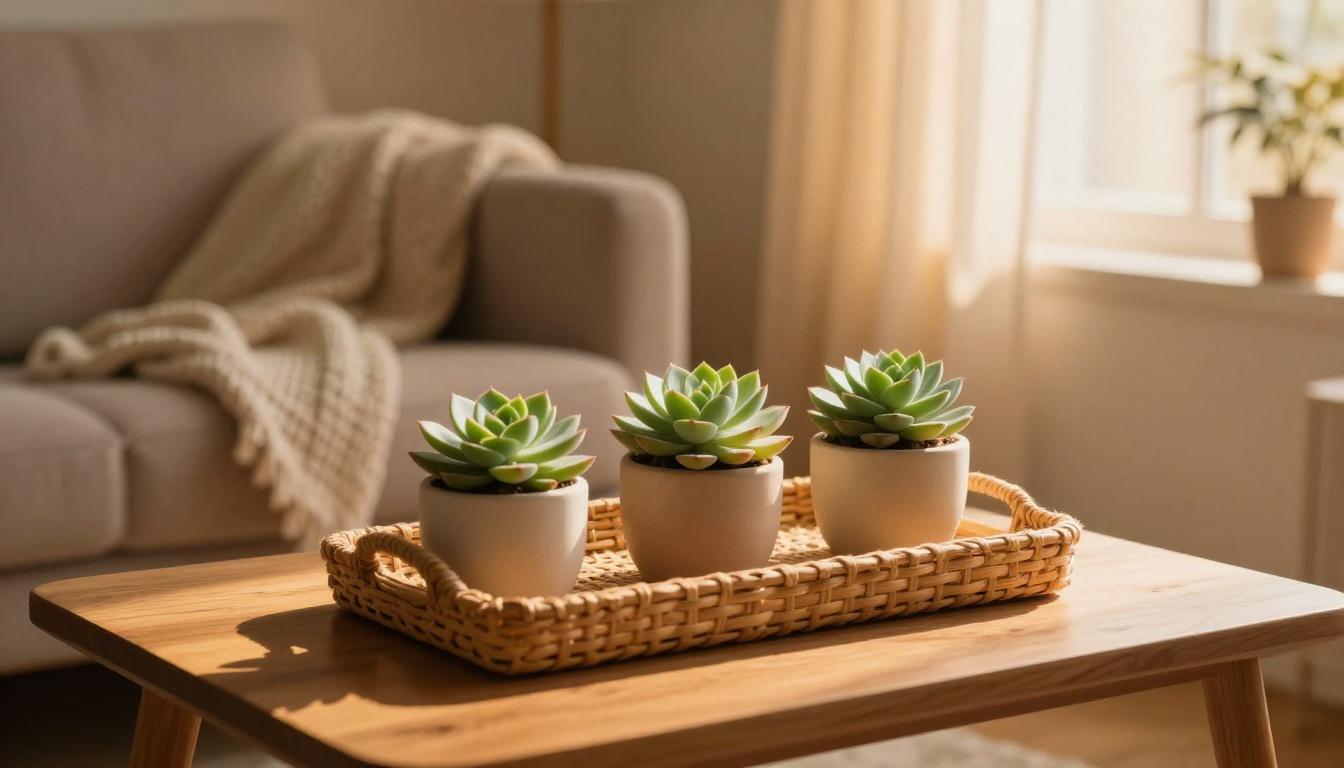
A few well-placed succulents can make a room feel calmer, softer, and less like it has been waiting for a photograph. Using succulents to enhance your cozy space works best when the plants feel like small natural accents, not another thing crowding the coffee table.
I prefer simple displays that add life without covering every shelf. The right plant, pot, light, and watering routine make the whole idea pleasantly low-fuss.
This post may contain affiliate links. If you make a purchase through these links, I may earn a small commission at no extra cost to you.
Quick Answer: How to Use Succulents to Enhance a Cozy Space
Group two or three compact succulents — like Echeveria, Sempervivum, or Haworthia — in matte or ceramic pots with drainage holes, placed near a bright but indirect light source. Water only when the soil is fully dry, and leave breathing room around each grouping so plants read as natural accents rather than clutter.
Key Takeaways
- Choose compact plants that suit the room’s available light.
- Group two or three pots, then leave breathing room around them.
- Use drainage holes and water only when the soil dries.
- Check pet safety by species before bringing a plant home.
Using Succulents to Enhance Your Cozy Space
Succulents suit cozy rooms because they are compact, sculptural, and happy on a windowsill, desk, shelf, or neglected little corner. Their shapes look especially good beside worn wood, linen, wool, woven baskets, and matte ceramic.
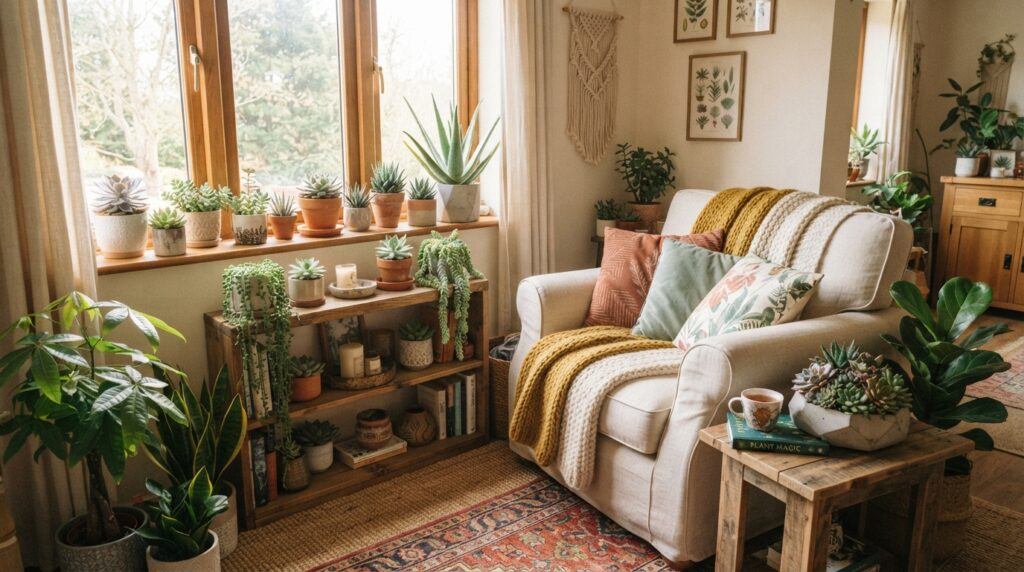
I use plants as punctuation, not wallpaper. One good rosette beside a reading chair does more than twelve tiny pots lined up like recruits.
Choose the right succulent for the room
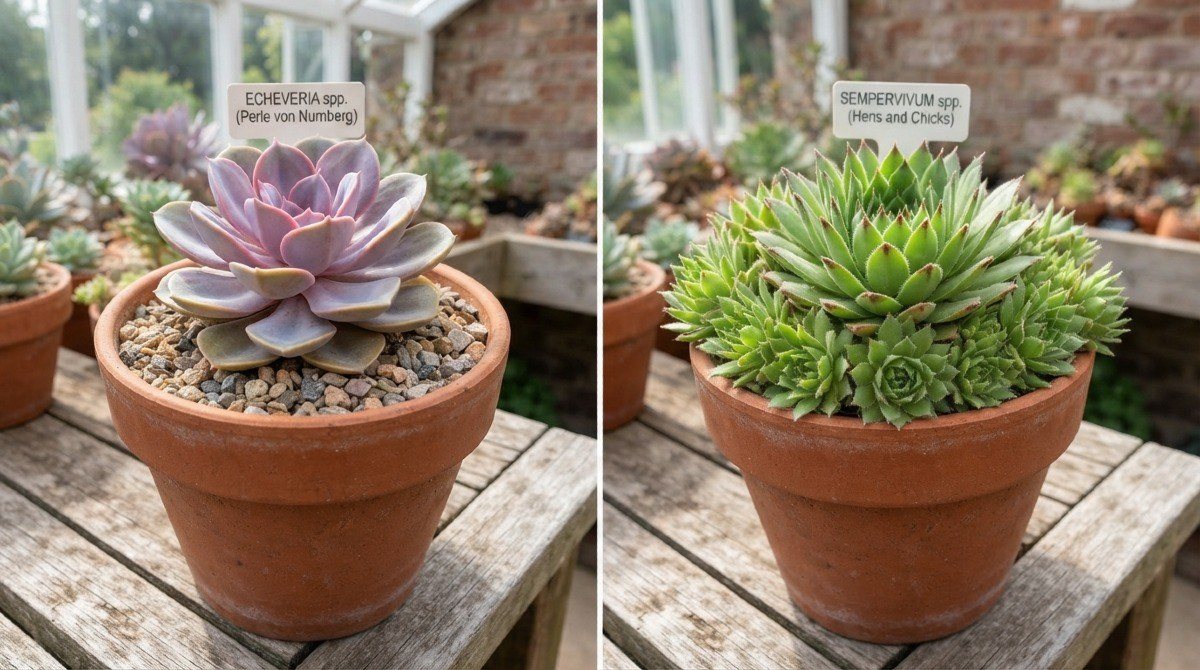
Haworthia and Gasteria have a quieter, textured look for medium-bright rooms. Echeveria and Sempervivum offer tidy rosettes near bright windows, while Christmas cactus brings softer stems and seasonal color.
Ponytail Palm is not a true succulent, but its tall, sculptural shape earns it a place here. ASPCA lists Haworthia, Ponytail Palm, and Christmas cactus as non-toxic to cats and dogs, though I would still verify the exact species before buying.
Create small groupings that feel intentional
Pair a low rosette with one taller plant on a tray or side table. Leave open space around the pots, or the arrangement starts feeling like countertop clutter.
Heavy ceramic or concrete pots are steadier around pets. A sheer curtain can take the hard edge off strong sun while keeping the display bright.
Make Succulent Care Simple at Home
Using succulents to enhance your cozy space only stays pleasant when care is simple. Give most plants bright, indirect light, a cactus or succulent mix, and a pot with drainage.
Water thoroughly until it runs from the bottom, then empty the saucer. Wait until the potting mix is fully dry before watering again. In winter, many plants need less water, often only once or twice a month depending on warmth and light.
Avoid the mistakes that cause trouble
Overwatering, dark corners, and pots without drainage cause most indoor problems. Stretched growth usually means too little light. Soft stems often point to excess moisture.
I check the soil about two inches down before watering and rotate pots now and then for even growth.
Frequently Asked Questions
Can succulents live in a bathroom?
They can if the room has a bright window. Humidity is less of a concern than poor light and wet soil.
Do succulents need matching pots?
No. Different pots look better when they share a material or color family. A few mismatched pieces are charming; a dozen is usually too much.
Should pets be kept away from all succulents?
Yes, if you are unsure of the species. Pet-safe lists are helpful, but chewing any plant can still upset a pet’s stomach.
A Small Plant Is Enough
I would start with one easy plant, a bright spot, and a pot with drainage. Cozy decorating is about balance, not perfection. A small succulent can add shape, nature, and quiet color to an ordinary room, as long as it fits your light and your care habits.